
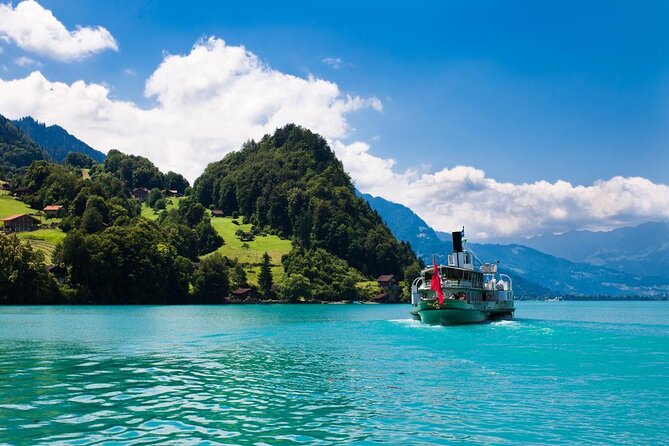
Reviewed · HARDER KULM, LAKE BRIENZ & LAKE THUN
Winter Kayak Tour of the Turquoise Lake Brienz
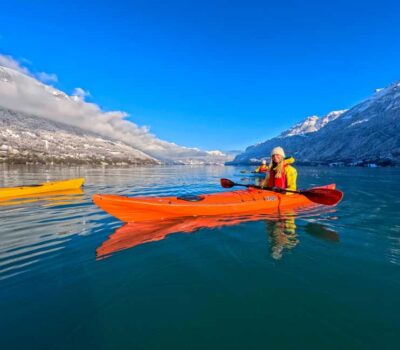
Winter kayaking on Lake Brienz in the cold months is interesting because the scenery feels sharper and quieter than any summer photo can manage. Snowy slopes, ice-cold air, and that glassy water make you feel like you’re gliding through a winter postcard.
I especially like two things. First, the tour keeps things warm and comfortable with dry suits and the right layers, so your hands and core stay in good shape. Second, the small group setup (max six) makes it easier to learn the basics and get real coaching without feeling rushed.
One thing to consider before you go: the dry suit uses materials that may bother you if you have a latex or neoprene allergy, since contact with those materials is unavoidable.
Key highlights worth your attention
- Max group size of 6 keeps the pace relaxed and the instruction personal
- Dry suit setup helps you stay warm on a winter paddle (warm layers go underneath)
- Ringgenberg Castle views from clear water make the scenery feel close and dramatic
- No prior kayaking experience needed, but you must be able to handle the kayak on your own
- Guides often add small moments like a tea break on the water and onboard photo help
- Photo package included, so you’re not stuck hunting for the perfect shot
Why winter kayaking on Lake Brienz feels like the real Interlaken change of pace
If you’re in the Interlaken area and you want something different from ski lifts and packed viewpoints, this is a smart swap. Winter turns Lake Brienz into a calmer place to be outside. The air is crisp, the mountains look extra crisp, and the water often holds reflections like a sheet of glass.
From the moment you step into the day, the vibe is peaceful. You’re not competing with crowds, and you’re moving at a human pace. That matters, because Lake Brienz is the kind of place where you actually notice details, like how the light changes off the water and how the shoreline landmarks appear in layers as you paddle.
And yes, it’s exercise, but it feels friendly. The guide handles the key safety and technique points, then you settle into a rhythm that lets you focus on the view instead of fighting the kayak.
More Harder Kulm and Bernese lake trips:
- Interlaken: Funicular Ticket to Harder Kulm
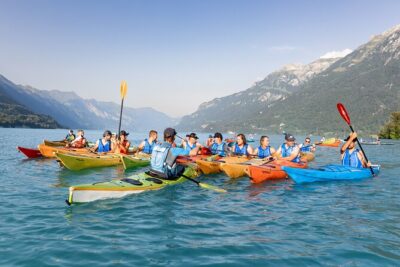
★ 4.7 · 1,469 reviews - Kayak Tour of the Turquoise Lake Brienz
★ 5.0 · 566 reviews - Interlaken: Scenic Jetboat Ride on Lake Brienz
★ 4.8 · 243 reviews
What’s really included in the 3-hour winter kayak experience
This is priced at $202.06 per person and runs about 3 hours. For Switzerland, that’s not cheap, but the value is easier to see once you connect the dots: you’re paying for a live guide, a winter-rated kayak setup, and a photo package, not just a rental.
Here’s what you get as part of the experience:
- Guided kayaking on Lake Brienz with expert instruction
- Small-group format (max six)
- Kayak and equipment rental
- A photo package included
- Warm dry suit gear, plus guidance on what to wear underneath
The guides you’re likely to meet have a strong “teach and keep you comfortable” style. I’ve seen names like Sean, Ryan, Patrizia, Chris, Ian, Andrea, Barrie, Karel, Dave, and Davide connected with patient coaching, good energy, and clear step-by-step help from dry suit to getting into the kayak. That kind of support is part of what makes a winter tour work.
Meeting by the quai in Bönigen, then getting fitted without drama
You meet at Am Quai 1, 3806 Bönigen, Switzerland, and the tour ends back at the same place. That “back to the start” approach is useful when winter days are short and the weather turns fast.
Your first job is to show up ready for cold. You’ll get help with the equipment, and you’ll learn how the dry suit system works before you’re on the water. The best days are the ones where you feel calm about the gear. One review-style example that sticks with me is how guides walk you through each step slowly, so you know exactly what to do when it’s time to put on the dry suit and get seated.
Timing-wise, expect a bit of time at the start for fitting and instruction. If you’re the type who gets impatient in lines, this is still worth it, because the cold water part is only comfortable if you’re prepared properly first.
Stop 1 at Hightide Kayak School: your safety and technique foundation
At Hightide Kayak School you’ll do the practical stuff that makes winter paddling possible. This is where the guide explains how to move, how to stay stable, and what to do if you need help adjusting your position.
Even if you have never kayaked before, you don’t need prior experience. But the tour does require that you can handle a kayak on your own, so the coaching at the start is not optional. Think of it like a warm-up for your brain as much as your body.
What you’ll likely cover:
- Dry suit basics, including how the suit fits and seals
- Getting into the kayak in a controlled way
- Basic paddling technique so you don’t waste energy
- How the group will manage space on the water
In a small group, the guide can spot the moments where you’re about to overthink, then correct you fast and gently.
A few more Interlaken trips worth comparing
- Interlaken: Winter Kayak Tour on Lake Brienz
★ 4.9 · 224 reviews - From Interlaken: 8-Hour Skiing in Grindelwald for Beginner’s
★ 4.7 · 48 reviews - From Interlaken: Afternoon Beginners Snowboarding Lesson
★ 4.9 · 29 reviews - Snowshoe Adventure in the Swiss Alps
★ 5.0 · 29 reviews
Lake Brienz paddling: clear water, Ringgenberg Castle views, and that still-water feeling
This is the heart of the tour, and it’s where Lake Brienz earns its reputation. You paddle across the lake with snowy mountains around you, and those mountains can reflect beautifully on the water. When the light is right, the whole scene feels unreal, in a good way.
One of the most praised moments is the sweeping view toward Ringgenberg Castle from the clear waters. From a kayak, you see it as part of the shoreline story, not just a distant landmark.
Here’s what I’d tell you to focus on while you paddle:
- Use your breathing as your pace cue. In cold weather, people tense up without noticing.
- Let the guide’s instructions set your rhythm. Winter kayaking gets easier once you stop forcing every stroke.
- Look up often. It’s tempting to stare at your hands, but the real payoff is the view stretching behind you.
A winter kayak tour also has a quieter kind of fun. In summer, you might get distracted by boats, swimmers, or general hustle. Here, the water and the mountains feel like they’re doing the talking.
Stop 3 Boenigen and Stop 4 Interlaken: seeing the shoreline landmarks from the water
As you move along, the route brings you past areas tied to the Boenigen and Interlaken names. From the kayak, these places don’t just look scenic. They look navigable, like you can understand the geography instead of just viewing it.
The value here is perspective. From shore, you get a flat postcard view. From the kayak, you get depth. You also see how the shoreline curves, and you notice small changes in how buildings sit above the waterline.
One practical note: winter visibility can vary. If it’s foggy, you might get less distant detail, but you gain mood. If it’s clear, you’ll see more of the long lines across the lake and toward the mountain slopes. Either way, you’re still out there moving, learning, and enjoying the water.
Stop 5 Strandbad Bonigen: the calm rhythm of a guided winter break
The tour includes Strandbad Bonigen, a beach area on the lake. For me, a spot like this matters because it gives you a change of pace. You’re not paddling nonstop, and you get a moment where the guide can check in, adjust spacing, or offer tips.
This is also where small moments tend to happen. In multiple accounts, guides have built in friendly touches like a tea break while out on the lake, sometimes even with tea and biscuits floating right there with you. It sounds simple, but it’s actually a smart way to reset your body temperature and keep the group relaxed.
If you’re worried about winter fatigue, don’t. The breaks and the guide’s pacing help you finish feeling like you did something, not like you survived something.
Bernese Oberland, Jungfrau Region, Swiss Alps: why the scenery details matter when you’re choosing a winter tour
The itinerary calls out Bernese Oberland, the Jungfrau Region, and Swiss Alps as part of the experience framing. Even when those are broad geographic names, they point to what you should expect: big mountain energy and a serious sense of place.
Here’s the key: these names aren’t just marketing. In this area, the mountains are constantly present. You don’t “reach” the view. The view is the background to your paddling.
So when you’re watching, think less about snapping photos every second and more about noticing how the mountains sit against the sky:
- How the slopes look when the water is calm
- How distance compresses or expands in fog and clear weather
- How the waterline creates a natural “frame” for the peaks
That’s why this feels different from standing still on land. You’re changing your point of view every few minutes.
Guides in the water make the difference, and small-group size keeps it human
This tour is capped at six travelers, and that small number is a big deal in winter. It means less waiting, less crowding around the instruction points, and more time for the guide to help you personally.
The guide talent shows up in how people describe the day. You’ll see names like Dave and Davide linked with warm, confident guidance. You’ll see Patrizia described as sweet, fun, and knowledgeable. Sean and Ryan show up often as supportive, funny, and inclusive, with guests noting that they got comfortable quickly even if they were new.
One detail I’d happily bet on, based on how often it’s mentioned: many guides take photos and make sure the group gets captured during the most scenic parts. The tour includes a photo package, but what you want to feel while you’re there is that someone is actually paying attention to your experience, not just ticking off a checklist.
Clothing checklist that keeps you warm, dry-ish, and comfortable enough to enjoy
This is the big practical part, because winter kayaking is all about layering smartly. The tour gives you the dry suit, but you still need to dress for cold under it.
Bring:
- Thick socks
- Thermal bottom and top
- A thin jumper
- Extra layers if it’s very cold
- Sunglasses and sunhat
- Sun cream (you never know)
- Change of clothes in case you get a bit sweaty or wet
A dry suit helps a lot, and many people say they don’t get cold. But don’t treat that as magic. Your comfort depends on your base layer and how well the suit fits you.
Also note the suit materials: wrist seals use latex gaskets, and the neck area uses a neoprene material called Glideskin. If your concern is allergies, take that seriously. If you’re not sure, checking with a doctor before you go is the safe move.
Who should book this winter kayak tour, and who should pause first
This is for people with moderate physical fitness. You don’t need previous kayaking experience, but you must be able to handle the kayak on your own. In other words, you’re learning, but you’re not being carried.
It may not be a great fit if you have back, neck, lower back, joint, or muscular problems. The guidance is to carefully consider whether participation makes sense for you.
There are also clear size and age limits:
- Children 15 and younger are not allowed
- Maximum weight is 120 kg
- Maximum height is 120 cm
If you fit those limits and you’re generally comfortable paddling for a couple of hours with instruction, you should have a good time. If you want a winter activity that feels exciting but still guided and structured, this hits that sweet spot.
Price, timing, and how to plan for good weather in the Jungfrau region
At $202.06 per person for about 3 hours, you’re paying for an organized winter outing with gear and a guide who helps you stay warm and learn technique. The included photo package pushes the value in the right direction. Otherwise, winter gear rentals and instruction would add up fast on your own.
Averages matter, too. This tour is typically booked around 19 days in advance, so if you’re traveling in peak winter weeks, don’t wait until the last minute.
One more planning reality: this experience requires good weather. If the operator cancels due to poor weather, you’ll be offered a different date or a full refund. That’s worth factoring into your schedule, especially if you’re building in a tight itinerary.
Should you book this winter kayak tour of Lake Brienz?
If you want a winter experience that feels peaceful, scenic, and actually different from ski crowds, I’d book it. This is one of those activities where the small group size, dry suit comfort, and expert guidance turn cold water into a genuinely enjoyable outing.
Book it if:
- You want guided instruction without needing prior kayaking experience
- You care about great views like Ringgenberg Castle from the water
- You like having a photo backup with a photo package included
- You’re okay with dressing in serious cold-weather layers
Skip it or ask extra questions first if:
- You have a latex or neoprene allergy and need medical clarity
- You have issues that might be aggravated by paddling or getting in and out of a kayak
- You can’t comfortably handle a kayak on your own, even with coaching
FAQ
How long is the Winter Kayak Tour of the Turquoise Lake Brienz?
The duration is approximately 3 hours.
Where do I meet for the tour?
You meet at Am Quai 1, 3806 Bönigen, Switzerland, and the tour ends back at the meeting point.
How big is the group?
It is a small-group tour with a maximum of 6 travelers.
Do I need prior kayaking experience?
You do not need previous kayaking experience, but you must be able to handle a kayak on your own.
What should I wear or bring for the tour?
Bring thick socks, thermal bottom and top, a thin jumper, and extra layers if it is very cold. Also bring sunglasses, a sun hat, sun cream, and change of clothes in case you get sweaty or a bit wet.
Is the tour offered in English?
Yes, the tour is offered in English.
Are children allowed?
No, children 15 and younger are not allowed.
Are there limits on height and weight?
Yes. The maximum height is 120 cm and the maximum weight is 120 kg.
What if I have latex or neoprene allergies?
The dry suits have latex gaskets at the wrists and a neoprene neck material called Glideskin. The tour is not recommended if you have latex or neoprene allergies, since direct contact with these materials is unavoidable.
What happens if the weather is poor or I cancel?
The experience requires good weather. If it is canceled due to poor weather, you will be offered a different date or a full refund. If you cancel, the experience is non-refundable and cannot be changed.
More Canoes & Kayaks in Interlaken
- Interlaken: Kayak Tour of the Turquoise Lake Brienz
★ 4.9 · 187 reviews
Recently reviewed around Interlaken
- Private Swiss Cheese and Chocolate Tour from Interlaken★ 5.0 · 9 reviews
- See It All Sightseeing Tour Tickets incl. From Bern + Interlaken★ 5.0 · 7 reviews
- Winter Alpine Adventure★ 4.5 · 12 reviews
- Raclette Rafting in Interlaken★ 3.5 · 3 reviews
- Mt. Schilthorn & Mürren Small Group Day Trip from Interlaken★ 4.5 · 16 reviews
- Mt. Schilthorn & Mürren Private Day Trip from Interlaken★ 5.0 · 6 reviews
- Hidden gems e-bike tour with picnic at Lake Brienz★ 5.0 · 11 reviews
- Interlaken 3-hours Private Walking Tour & Mt. Harder Excursion★ 5.0 · 9 reviews
Harder Kulm, Lake Brienz & Lake Thun, side by side.
Harder Kulm – Top of Interlaken – Cable Car Ticket
Read our review →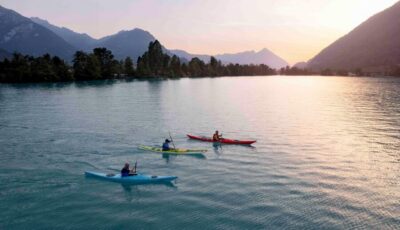
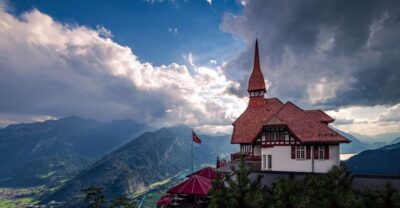
Geneva: Interlaken Day Trip & Visit to Harder Kulm Viewpoint
Read our review →Lists this tour appears in