
Reviewed · HISTORICAL TOURS
Lucerne: Private Exclusive History Tour with a Local Expert
Lucerne is interesting because it lets you walk through major chapters of Swiss life in a small, human-scale center. This private history tour connects the town you see today with the forces that shaped it, from early roots to later political change.
I really like that you get a local expert guiding you point by point, from Torbogen Luzern near the start to Hofkirche St. Leodegar. I also like that the experience can match your interests and walking pace, with a guide who stays professional and welcoming, a style captured in the name Manuela shared in guide feedback.
One possible drawback to plan for: this is a walking tour and it is not suitable for people with mobility impairments. Also, the stops can shift based on weather, so you will want comfortable shoes and a bit of flexibility.
Key points to know before you go
- Private and exclusive for your group, so you can ask questions and slow down when something grabs your attention.
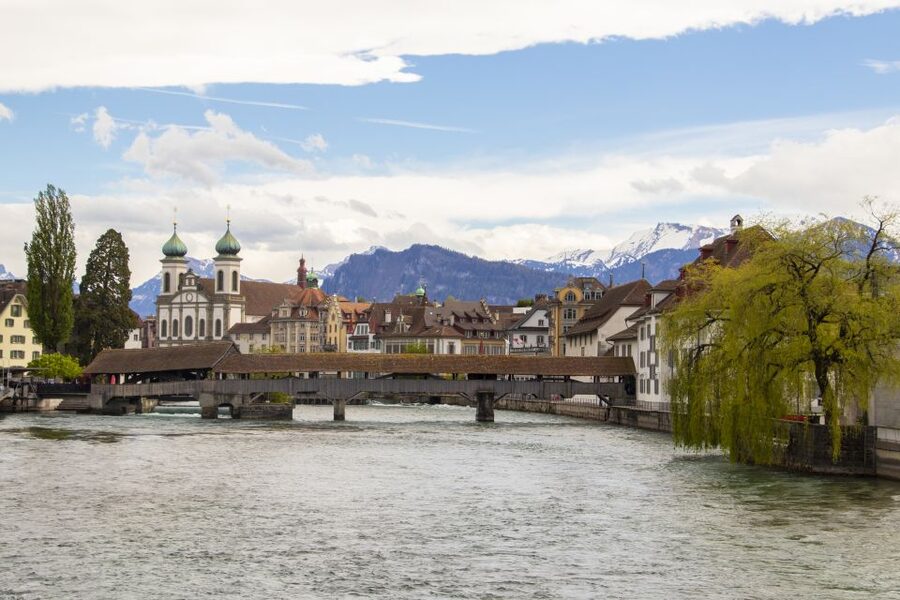
- Chapel Bridge (Kapellbrücke) gets center stage as a key to understanding Lucerne’s story.
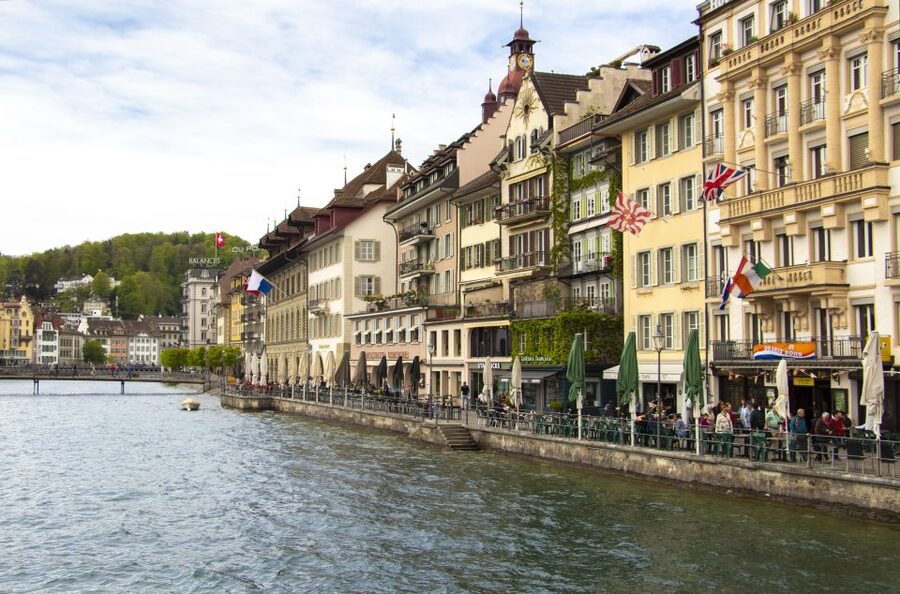
- From Torbogen Luzern to Hofkirche St. Leodegar, you will connect landmarks to what shaped the city.
- Political shifts matter here, including Swiss Confederation ties and Napoleonic rule, explained in plain terms.
- Your pace drives the route, since the itinerary adapts to your interests and conditions.
- End with next-step ideas, so you leave with a simple plan for the rest of your day.
Lucerne’s historic core is made for a private history walk
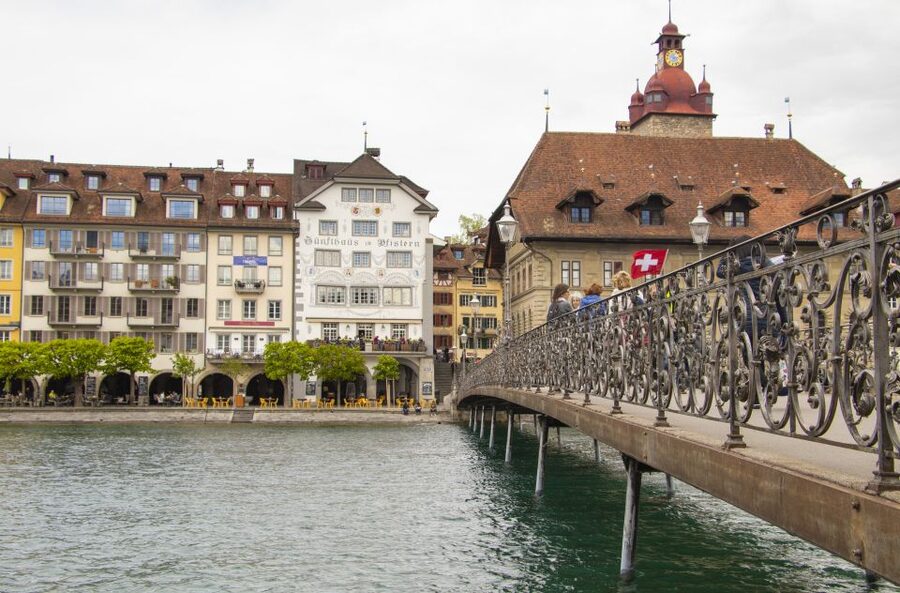
Lucerne works for history in a way big cities often do not. You can cover meaningful sights on foot without feeling like you are sprinting between photos. And because this is private, you control the rhythm. If you want more explanation at one stop, you get it, and if you want less, you get that too.
The tour is built around the idea that landmarks are not just decorations. They are evidence. A bridge, a church, even the street-level feel near the start point, can all hint at how people lived, governed themselves, and adapted over time.
You also get a practical advantage: you are not trying to decode everything alone. A local expert turns place names and visible features into a story you can follow in real time.
A few more Lucerne trips worth comparing
- Lucerne: 1-Hour Historical Tour with Night Watchman
★ 5.0 · 122 reviews - Zürich Historic District Tour
★ 5.0 · 206 reviews - City tour historic old town Zurich
★ 4.7 · 38 reviews
Starting near Torbogen Luzern, then learning how Lucerne became Lucerne
You meet in front of the Luz bistro, near Torbogen Luzern. That location matters because it gives you an immediate “city in context” starting point. Before you even reach the biggest icons, the guide sets the timeline and gives you a way to read what you are about to see.
This is where I think the private format pays off. You can tell the guide what you care about most, and they can steer the emphasis early on. For example, if you are interested in language and daily life, you can ask how local speech changed over time, since the tour covers the development of Lucerne’s dialect as a variant of Swiss German.
Even if you do not ask questions right away, you will still benefit. The guide frames Lucerne’s growth from a small fishing village into a town shaped by major political periods, including when it was part of the Swiss Confederation and later under Napoleonic rule. That context makes the later stops make more sense, instead of feeling like separate highlights pasted together.
Practical note: this tour runs 2 to 3 hours, depending on the starting time and how your group moves. Plan on a steady walking pace, and bring water and a charged smartphone so you can keep up with photos and notes.
Chapel Bridge (Kapellbrücke): the landmark you learn to read, not just photograph
Chapel Bridge (Kapellbrücke) is one of Lucerne’s signature sights, and this tour treats it like more than a must-see postcard. The big goal is understanding how the bridge has defined Lucerne’s history. That phrasing is important, because it sets expectations.
Instead of rushing past the structure and calling it done, you get guided attention on what it represents. You learn the stories behind its historic importance, and you connect those stories to the broader eras the tour covers. This makes the bridge feel like a hinge point between periods, not just an object in front of you.
Here is how you can get maximum value from this stop. Slow down. Look at it like you are searching for clues. If the guide points out something you can see, you can test that explanation against your own eyes. That back-and-forth is where the tour feels most satisfying.
Also, Chapel Bridge is a strong anchor for the whole tour. Once you understand why it matters, the rest of Lucerne’s landmarks feel less random. The city starts to read like a single narrative.
The eras you hear, and how they show up in what you walk past
One of the most useful parts of this experience is that it does not just list dates. It explains how those historical periods shaped architecture and culture, and even how the dialect formed and developed to today.
You cover a clear sequence:
- Lucerne’s early days as a small fishing village
- Periods tied to being part of the Swiss Confederation
- Times under Napoleonic rule
- The 19th-century shift as a tourist destination
Why that matters for you: it changes what you notice. When you hear how political control and regional identity evolved, you start to recognize why certain buildings and public spaces feel the way they do. Even when you do not know the technical terms, you can sense the pattern: change in governance often comes with change in institutions, which then shows up in streets, buildings, and community life.
This is also a good tour for language nerds without being intense. The dialect part is framed as something shaped by history, not as trivia. If you have been hearing Swiss German varieties and wondering why they sound different from place to place, you will get a better sense of how that variation took shape.
Weather may affect the exact stops. That is fine. The guide can adapt while still keeping the historical storyline intact, so you do not lose the core value if the route has to shift.
Another Swiss day out, at a different pace:
- From Zurich: Mount Titlis and Lucerne Day Tour
★ 4.7 · 3,381 reviews - Lucerne: Mt. Pilatus Cable Car, Cogwheel Train & Lake Cruise
★ 4.7 · 2,338 reviews - Lucerne: 1-Hour Cruise on Panoramic Yacht
★ 4.6 · 1,514 reviews - Mount Pilatus Summit from Lucerne With Lake Cruise
★ 4.5 · 1,260 reviews
Hofkirche St. Leodegar: why the church matters to Lucerne’s story
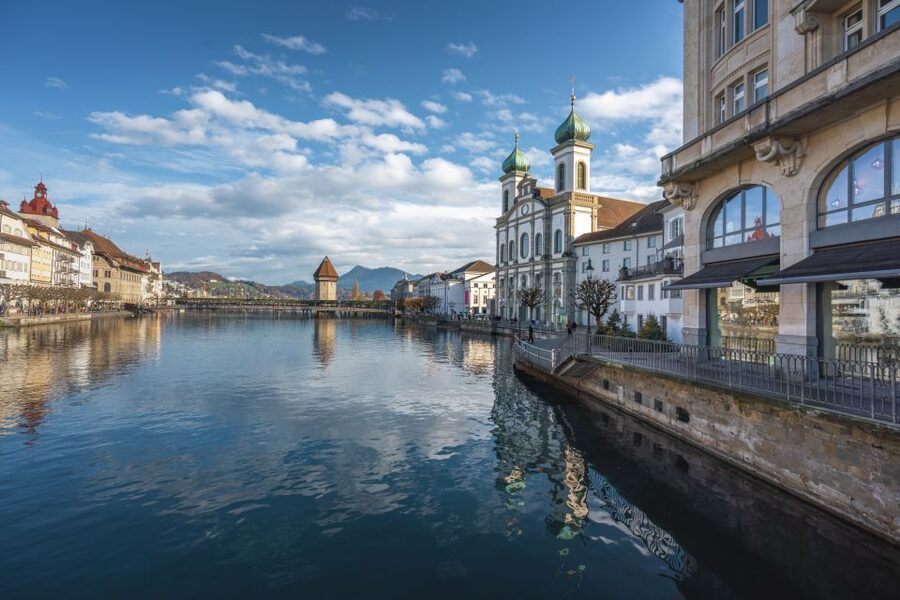
The tour includes Hofkirche St. Leodegar as a named highlight, with time to see it and learn the stories behind its historic importance. Churches often get treated like static scenery on walking tours. Here, they are treated like living evidence of what a city believed, how it organized itself, and what it wanted to signal.
I like this stop because it balances the more civic-feeling icon at Chapel Bridge. A bridge tells you about movement and connection. A church tells you about community structure and identity. When you experience them in the same tour, you get a fuller sense of how Lucerne functioned day to day and how it expressed values publicly.
What to do while you are there: look at the building with your guide’s timeline in mind. If the guide ties the church back to the periods you already heard, the details start to click. You do not have to memorize anything. The goal is to leave with a mental map of how pieces of the city connect.
What “tailored itinerary” looks like in a real walking tour
This is not a one-size-fits-all script. The itinerary adapts to your interests and walking pace. In practice, that means the guide can adjust where emphasis goes, and it also affects how long you linger at each place.
The highest praise connected to guide performance includes a few practical things you should care about:
- Punctual start
- Respect for what you want to see and learn
- Great pace
- Friendly, welcoming energy
That combination matters. On a private tour, a good guide is not just “speaking facts.” They are managing time, pacing the walk so you do not get dragged through stops, and making it easy to ask follow-up questions without feeling rushed.
This format is also useful if your group has mixed interests. Someone might want more language and cultural context. Someone else might want more explanation of how specific landmarks connect to historical periods. A tailored approach helps you meet in the middle.
Price and value: is $207 per person fair for a private 2 to 3 hour tour?
The price is $207 per person for a private history walking tour lasting about 2 to 3 hours. Whether that feels like a good deal depends on how you travel and what you want out of your time.
Here is how I think about value for a private guide:
- You are paying for time with a local expert, not just entrance to a site.
- You are paying to avoid guesswork and to get clear context at each landmark.
- You are paying for a flexible pace, which reduces the stress of sightseeing.
Since the tour is private and includes an exclusive itinerary, the cost can feel more justified for couples or small groups, especially if you want more than surface-level talking points. If you are the type who likes to understand why a place looks the way it does, this style of tour often saves you time compared with trying to piece it together on your own.
Also note what is not included. You will handle personal expenses, and entry tickets for transportation, museums, and monuments are excluded. That is not a deal-breaker, but it means you should plan to pay only if you choose add-ons beyond the walking component.
Practical tips so you actually enjoy the walk
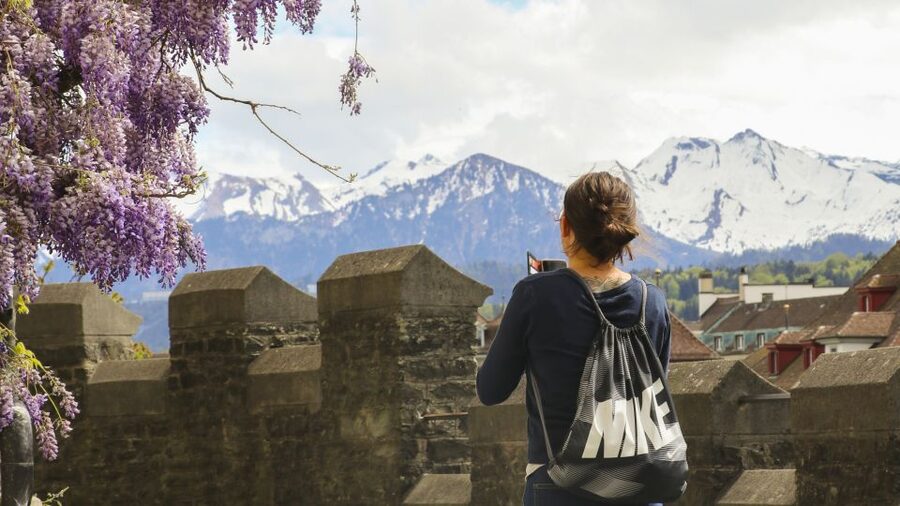
This tour is simple, but a few basics help a lot.
Bring comfortable shoes. You will be walking between key points, and this is not described as a short stroll with lots of sitting. Bring water, especially in warmer months or if you run a bit warm. Keep a charged smartphone so you can capture what the guide points out and use it to keep your bearings.
Also, know the tour is hosted by an independent local. That usually means the experience is personal and adaptable, not a rigid assembly line.
Language options are clearly listed: English, French, German, Spanish, and Italian. If you have a preference, confirm it during booking so the guide can prepare accordingly.
Finally, keep expectations realistic. Stops may vary depending on weather conditions. You will still get the historical story, but you might not see every exact spot exactly the same way on every day.
Who this private Lucerne history tour is best for
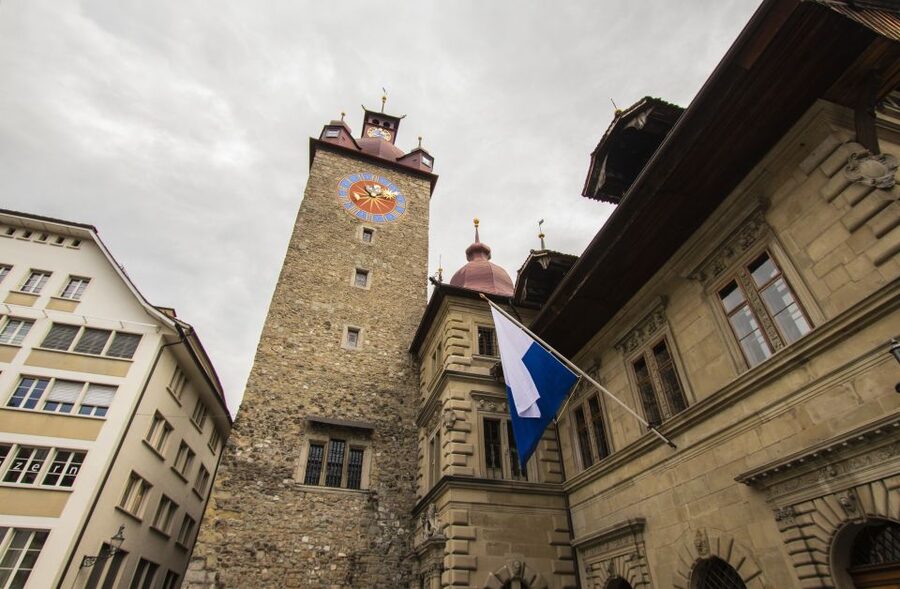
This experience is a strong fit if you:
- Want a focused walking tour instead of a long day of transport
- Enjoy learning how politics and local identity connect to what you see
- Like asking questions and setting the pace
- Prefer personalized recommendations at the end, so you can keep exploring without starting from scratch
It is likely less suitable if you cannot do a walking-focused tour, since it is not suitable for people with mobility impairments.
If you are traveling with kids, it could work if your group can handle walking and attention to explanations, but the tour is not specifically marketed as family-focused in the details provided. If you want extra guidance for your group’s needs, you might want to message the host.
Should you book this private Lucerne history tour?
Book it if you want Lucerne history explained in a way that matches real streets and real landmarks. The combination of private time, a local expert, and focus on named anchors like Chapel Bridge (Kapellbrücke) and Hofkirche St. Leodegar makes it a smart choice for first-timers who want clarity fast.
Skip it or consider alternatives if you:
- Need a fully wheelchair-friendly experience
- Prefer self-guided wandering with no structured timeline
- Are not interested in historical context and want mostly viewpoints and photos
If you like walking, asking questions, and leaving with a clearer sense of why Lucerne looks the way it does, this tour is the kind of investment that tends to pay off immediately in how you experience the rest of your day.
FAQ
Where do we meet for the Lucerne history tour?
You meet in front of the Luz bistro, near Torbogen Luzern.
How long is the tour?
The tour lasts 2 to 3 hours. Starting times depend on availability.
Is this tour private?
Yes. It is an exclusive private tour for your group.
What languages are available?
The live guide is available in English, French, German, Spanish, and Italian.
What should I bring?
You should bring comfortable shoes, water, and a charged smartphone.
What is included in the price?
The tour includes an exclusive private tour, a local expert guide, and a tailored itinerary.
What is not included?
Personal expenses are not included, and entry tickets for transportation, museums, and monuments are excluded.
Recently reviewed around Lucerne
- Zurich: Day trip to Lucerne and Bürgenstock★ 3.7 · 12 reviews
- Zurich: Adventure to Lucerne & Pilatus Gold or Silver tour★ 4.8 · 8 reviews
- Private Transfer: Lucerne to Zurich Airport ZRH by Business Car★ 5.0 · 11 reviews
- Private Transfer: Lucerne to Zurich Airport ZRH by Luxury Van★ 4.5 · 6 reviews
- Weggis Vitznau Foxtrail Helios★ 4.5 · 8 reviews
- Natural Wonders of Switzerland from Lucerne (1 Day Private Tour)★ 5.0 · 21 reviews
- Touristic highlights of Lucerne on a Private half day tour with a local★ 4.0 · 5 reviews
- The Lives and Legends of Lucerne: A Self-Guided Audio Tour★ 5.0 · 6 reviews
Historical Tours, side by side.

Zurich a journey through time, history and the Reformation
Read our review →Lists this tour appears in